由課堂走向世界:學生赴大和住建實習與就業 臺日合作邁向新里程 From the Classroom to the World: NCUE Students Intern and Secure Employment at Yamato Juken
本校與日本校企合作創下重要里程碑!一名應屆畢業生通過大和住建株式會社(Yamato Juken Co., Ltd.)線上面試,預計於2026年3月赴日任職;另有三名學生則於2025年暑期完成大和住建為期一個月的實習,透過課程、實作與實地參訪的學習模式,深入體驗日本企業文化與木造住宅產業,收穫豐碩。大和住建將持續提供實習機會,目前已有數名學生通過今年的校內甄選,顯示雙方合作關係穩步前行。
位於日本神戶的大和住建為知名的高性能木造住宅建設公司,與本校於2024年底簽署合作備忘錄。該公司將實習計畫視為其國際化策略的重要起點,並讓參與計畫的學生在體驗該公司業務及日本企業文化的同時,學習專業態度與價值觀,促進跨文化理解。
本次實習由英語系郭育賢副教授申請教育部「學海築夢」計畫經費,親率來自機電系所與美術所的三名學生赴日,將課堂學習延伸至國際實務場域。
大和住建指出,實習計畫為參與的學生提供難得機會,親身體驗日本住宅產業、木造建築與企業文化,並對實習生的整體表現給予高度肯定,相信這段經驗將對其未來職涯發展帶來重要助益。
在實習內容的設計上,大和住建提供完整的日本職場文化培訓,涵蓋名片交換禮儀、筆記技巧、積極聆聽的能力、支出管理,以及遵循指示的專業態度等;建築專業部分,則包括木造住宅產業之設計理念、施工流程,以及耐震、防火等關鍵防災技術等。
除課程、講座與工作坊外,公司亦安排實地參訪行程,包括木材仲買會館與加工廠、災防中心與震災紀念館、樣品屋與建築工地,以及住宅建材與設備展示館等,並赴京都、奈良、淡路島等地考察歷史建築、遺跡與古民家,讓學生由多元面向理解日本住宅產業的專業分工與運作模式;此外,學生們須透過短文寫作、書面心得與成果報告、簡報發表以及CAD軟體實作等任務,確保學習成效,同時反思實習期間的自我成長。
三名學生均表示,公司規劃的學習歷程充實且具啟發性,除有助深入理解日本木造住宅設計理念、產業結構、建築細節與永續概念,亦能體驗日本的日常與企業文化。例如機電所陳佳卉同學分享地震模仿平台的體驗,對於日本住宅在僅一級震度下即可啟動制震系統的精密程度感到驚奇;同系大二的周言玴同學則驚艷於木材加工廠的自動化產線兼具高效率與高度客製化,認為對其工程專業的學習助益良多。
日本社會重視時間管理、流程標準化以及團隊紀律亦令學生印象深刻。美術所劉俞廷同學指出,大和住建社員每日均提早15至20分鐘到班,上工前全員齊聲打氣,展現高度守時文化與團隊凝聚力。
此外,學生們難忘實習環境的友善氛圍─公司不僅設備完善、同事間互動融洽,前輩們對日語能力仍在學習階段的實習生亦十分親切並具耐心,樂於分享經驗或解答疑惑,充分展現日本細膩、體貼與尊重他人的文化特質。
陳佳卉表示,她有機會參與大和住建的內部討論,發現公司觀念開放,勇於接納創新想法,顛覆了她對日本企業嚴肅、封閉的刻板印象,也讓她對未來職涯發展有了更多想像。周言玴則指出,透過循序漸進的課程與參訪安排,實習生幾乎參與完整的建築流程,見識到每名員工於各自崗位上展現的專業與熱忱,以及對居住安全所肩負的使命感與責任心,著實令人感動。
另一方面,本校國文系應屆畢業生陳萱同學成功獲大和住建錄取,將於近期赴日就業。具備日語檢定最高級別N1證照的她表示,求職前即透過公司官網與國際處提供的資訊,深入了解企業背景與徵才內容,並反覆模擬面試情境,提升臨場表達能力。
陳萱建議有意赴日發展的學弟妹,儘管公司未設定徵才條件,但流暢的日語溝通能力不可或缺;若能具備英文能力證明,將更符合企業國際化的發展需求,提升自身競爭力與錄取機會;而三名實習學生亦建議加強日語能力,並設法熟悉日本禮儀文化與木造建築的相關知識,以提升實習時的溝通與學習效率。(國際暨兩岸事務處)
National Changhua University of Education (NCUE) has reached a new milestone in its collaboration with Japanese industry. One new graduate has successfully passed an online interview with Yamato Juken Co., Ltd. and is scheduled to begin full-time employment in Japan in March 2026. In addition, three NCUE students completed a one-month summer internship at Yamato Juken in 2025. Through an integrated learning model combining coursework, hands-on practice, and site visits, the students gained in-depth exposure to Japanese corporate culture and the wooden housing industry with highly rewarding results. Yamato Juken has expressed its commitment to continuing the internship program, with several students already selected through this year’s on-campus screening process, underscoring the steady progress of the partnership.
Based in Kobe, Japan, Yamato Juken is a well-established company specializing in high-performance wooden housing construction. The company signed a Memorandum of Understanding (MOU) with NCUE at the end of 2024 and regards the internship program as a key step in its internationalization strategy, aimed at cultivating cross-cultural talent.
The 2025 internship was supported by the Ministry of Education’s Overseas Internship Program and proposed by Associate Professor Andre Goderich of NCUE’s Department of English. Professor Goderich personally led three students from the Departments of Mechatronics Engineering and Fine Arts to Japan, extending classroom learning into an international professional context.
According to Yamato Juken, the program provided students with valuable firsthand experience in Japan’s housing industry, wooden construction practices, and corporate culture. The company spoke highly of the interns’ overall performance and noted that the experience would contribute meaningfully to their future career development.
The internship featured comprehensive training in Japanese workplace culture, including business etiquette, note-taking skills, active listening, expense management, and professional conduct. Technical instruction covered wooden housing design concepts, construction processes, and key disaster-prevention technologies such as earthquake resistance and fire safety.
In addition to courses, lectures, and workshops, students participated in extensive site visits, including lumber traders’ halls, wood processing plants, the Disaster Reduction and Human Renovation Institution, model homes, construction sites, and residential equipment showrooms. They also visited cultural sites in cities such as Kyoto, Nara, and Himeji to explore historical architecture, heritage landmarks, and traditional houses. Through these experiences, students developed a multifaceted understanding of Japan’s housing industry and its professional divisions of labor. Learning outcomes were assessed through short essays, written reflections, final reports, oral presentations, and CAD software exercises.
All three interns described the program as enriching and inspiring. Beyond gaining deeper insights into Japanese wooden housing design, industry structures, construction details, and sustainability concepts, they also developed a stronger understanding of everyday life and corporate culture in Japan. Chia-Hui Chen, a graduate student from the Department of Mechatronics, shared her experience using an earthquake simulation platform and expressed surprise at the precision of Japanese residential design, where seismic control systems activate even at relatively low intensity levels. Sophomore Yen-Yi Chou, also from the Department of Mechatronics, was impressed by the highly automated yet customizable production lines at a wood processing plant, noting their relevance to his engineering studies.
Students were particularly struck by Japanese workplace culture, which emphasizes punctuality, standardized procedures, and teamwork. Yu-Ting Liu, a graduate student from the Department of Fine Arts, observed that employees routinely arrived 15 to 20 minutes early and began each workday with a collective motivational chant, reflecting strong team cohesion.
The interns also praised the welcoming work environment. Despite their developing Japanese language skills, they received patient guidance and support from colleagues, who were eager to share experiences and answer questions. Chia-Hui Chen noted that participation in internal discussions revealed the company’s openness to new ideas, challenging her previous stereotypes of Japanese firms as rigid or conservative. Yen-Yi Chou added that the program allowed interns to observe nearly the entire construction process, leaving a strong impression of employees’ professionalism and commitment to residential safety.
On the employment front, Hsuan Chen, a new graduate from NCUE’s Department of Chinese, was successfully recruited by Yamato Juken and will soon begin working in Japan. Holding JLPT N1 certification, she shared that she thoroughly researched the company through its official website and resources provided by NCUE’s International Office and repeatedly practiced interview scenarios to strengthen her communication skills.
Hsuan Chen advised students interested in working in Japan that while Japanese companies may not impose rigid recruitment criteria, fluent Japanese communication skills are essential. She added that certified English proficiency would further align candidates with companies’ internationalization goals and enhance competitiveness. The three interns similarly recommended strengthening Japanese language abilities and familiarizing oneself with Japanese etiquette and wooden architecture in advance to maximize learning outcomes and overall internship experience. (Office of International and Cross-Strait Affairs)
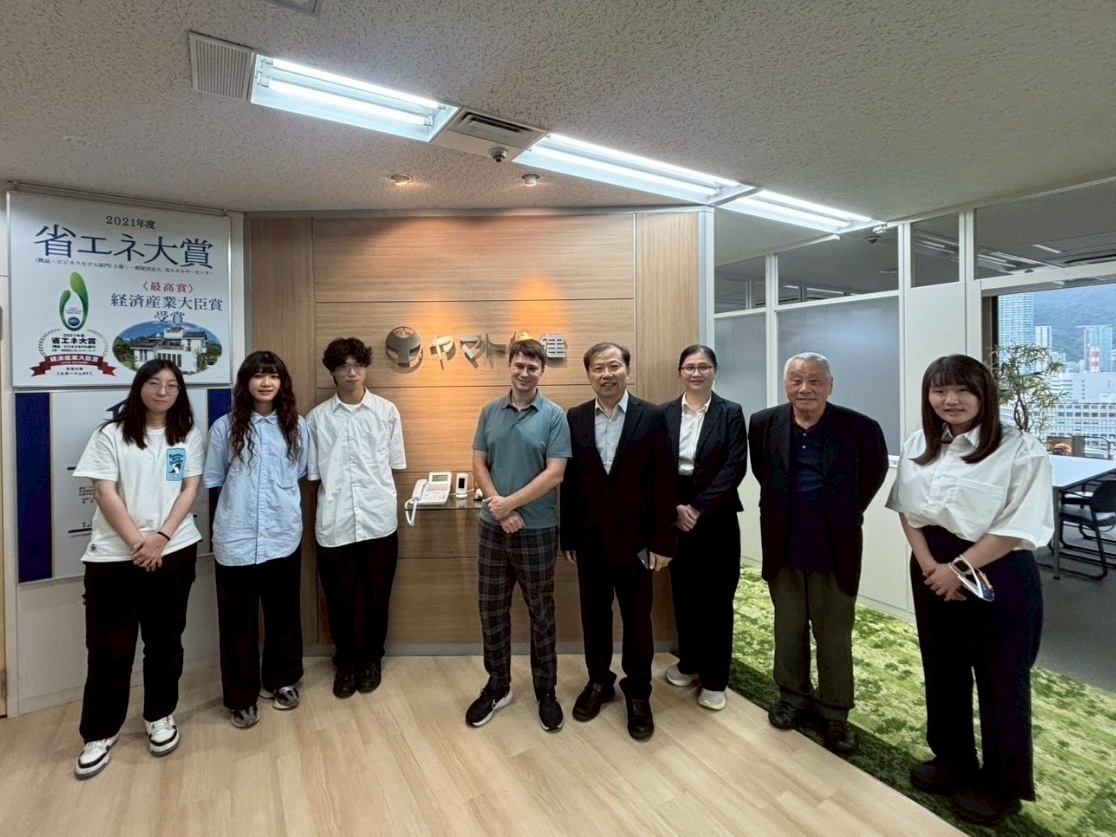
▲英語系郭育賢副教授親率三名學生赴日本大和住建株式會社實習一個月,國際處李漢文國際長、張琇惠組長與國際處同仁藉出席熊本教育展之便兼程前往探訪(由左至右為:機電所陳佳卉同學、美術所劉俞廷同學、機電系周言玴同學、郭老師、李國際長、張組長)。Associate Professor Andre Goderich leads three students to Japan for a one-month internship at Yamato Juken. Dean of NCUE International Office Hon-Man Lee, Section Chief Sally Chang, and colleagues visited the group while attending the Kumamoto Education Fair (from left: Chia-Hui Chen, Yu-Ting Liu, Yen-Yi Chou, Prof. Goderich, Dean Lee, Section Chief Chang).。
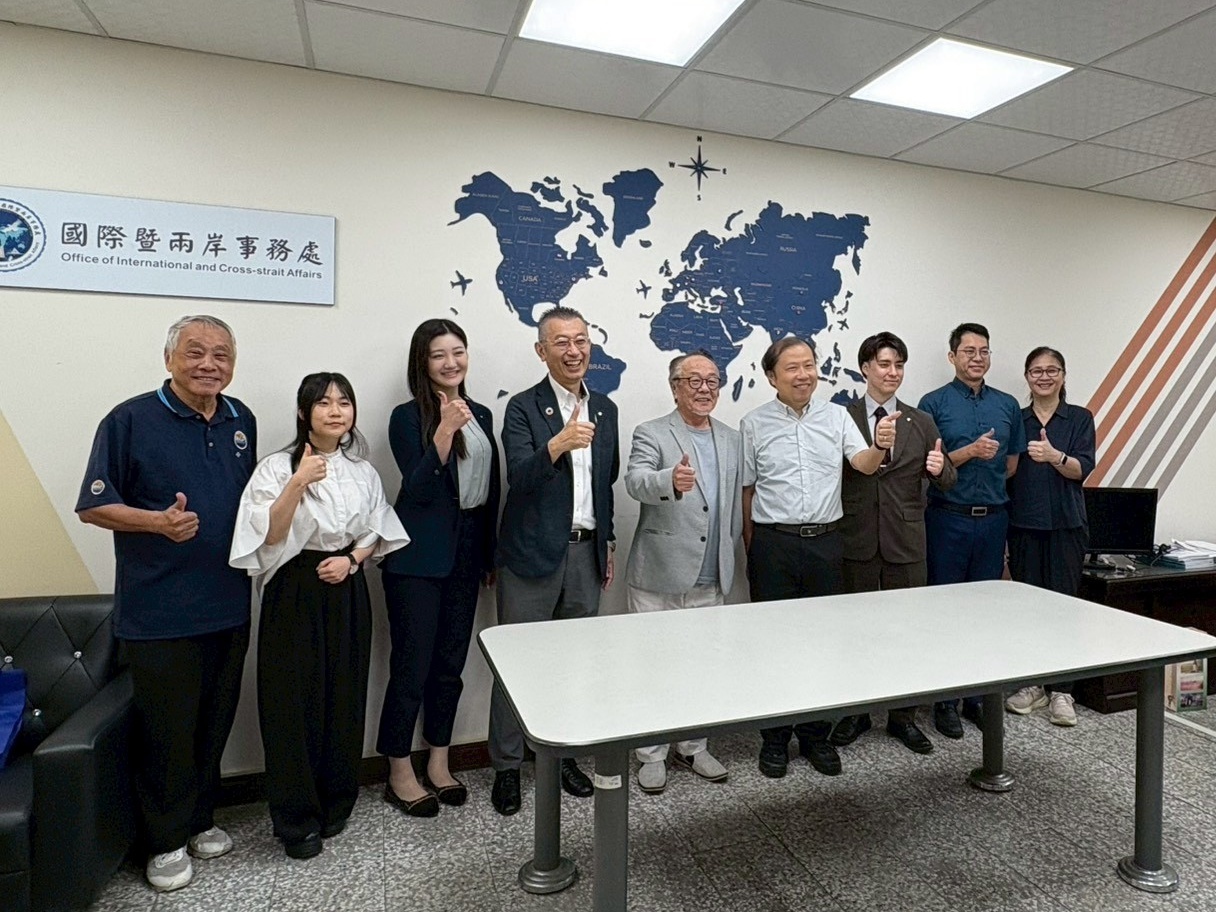
▲大和住建現任副社長三谷佳裕先生(左四)於2025年10月率團來訪,並拜會李國際長;將於2026年3月於該公司任職的國文系應屆畢業生陳萱(左二)亦受邀與來賓會面。Yoshihiro Mitani (fourth from left), Executive Vice President of Yamato Juken, visits NCUE in October 2025 and meets with Dean Lee. Hsuan Chen (second from left), who will join the company in March 2026, also meets the delegation.
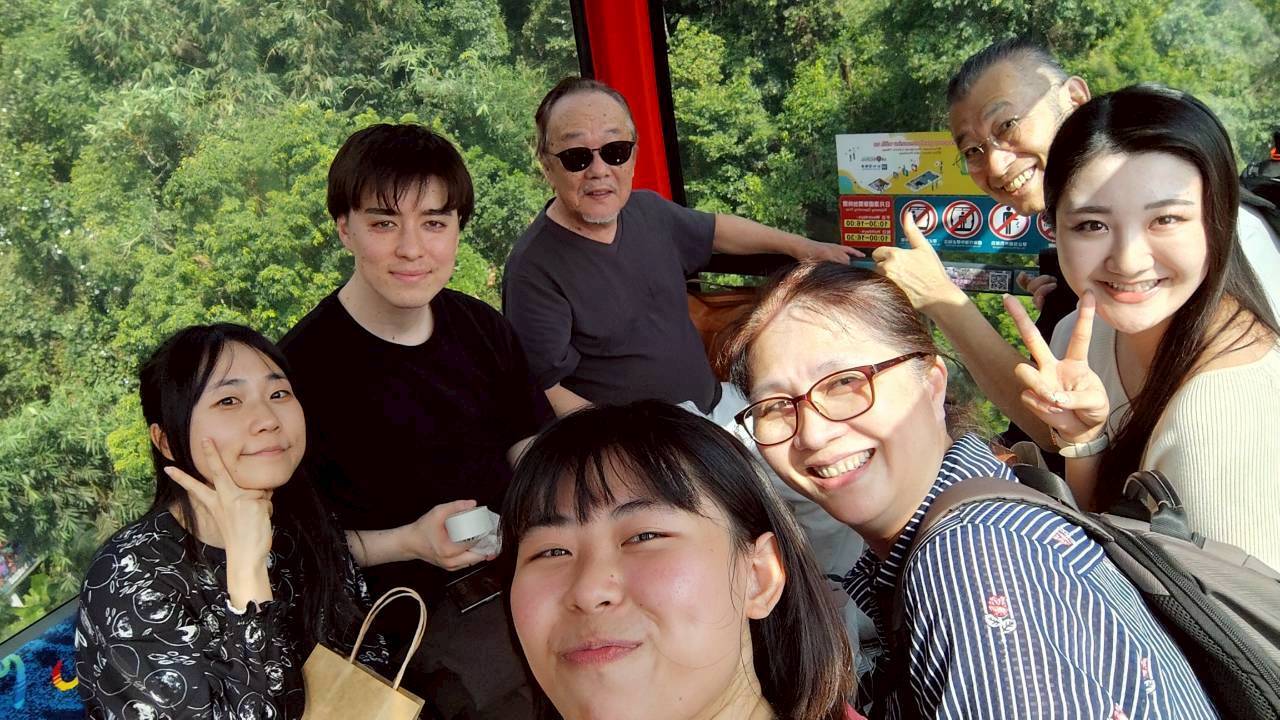
▲國際處張琇惠組長(右三)、陳萱同學(左一)與國際處同仁接待大和住建訪賓。Section Chief Chang (third from right), Hsuan Chen (first from left), and OICA staff welcome the Yamato Juken delegation.
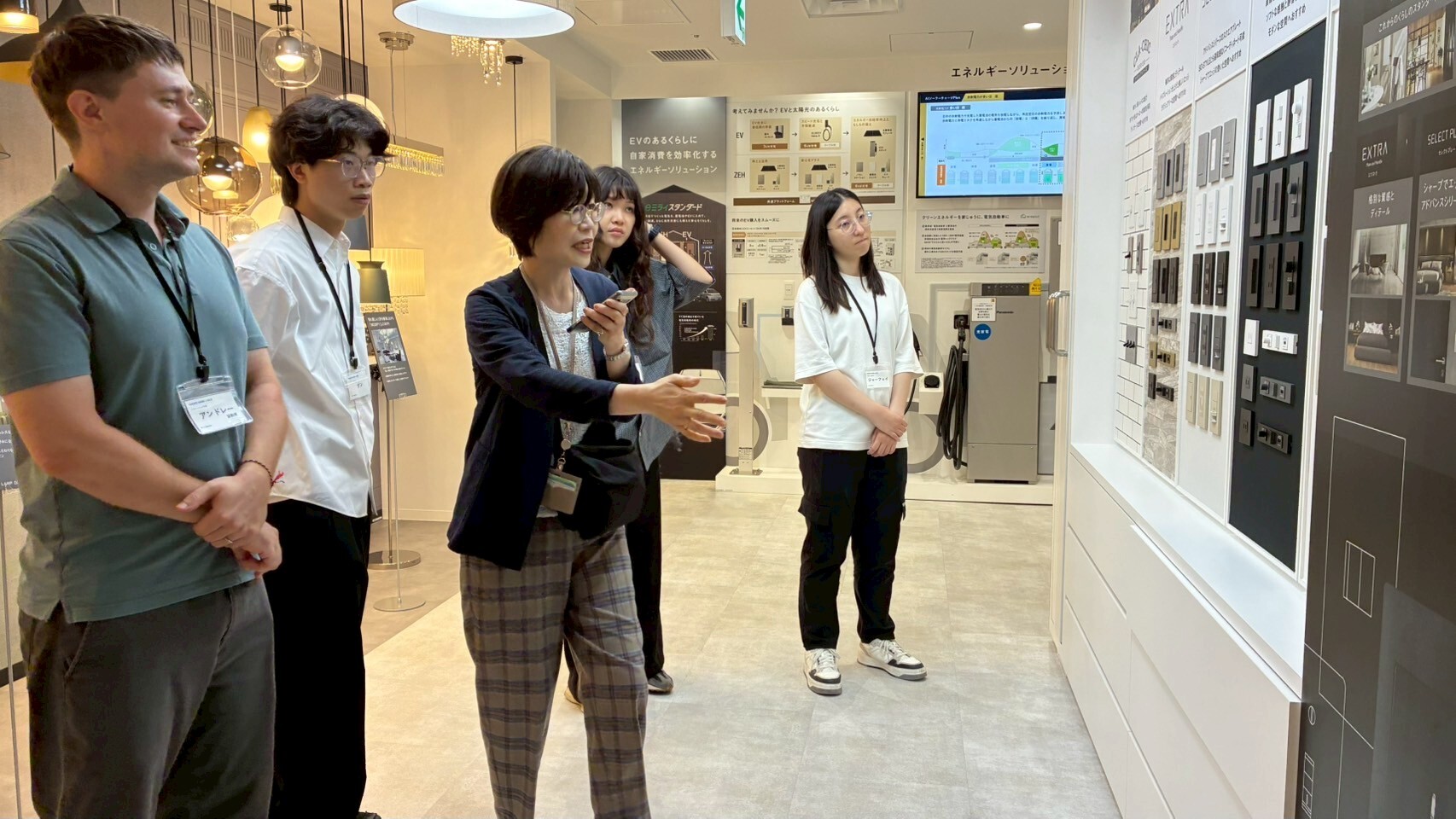
▲大和住建安排郭老師(左)與實習生參訪國際品牌家電展示中心。Goderich (left) and the interns visit a home appliance showroom arranged by Yamato Juken.
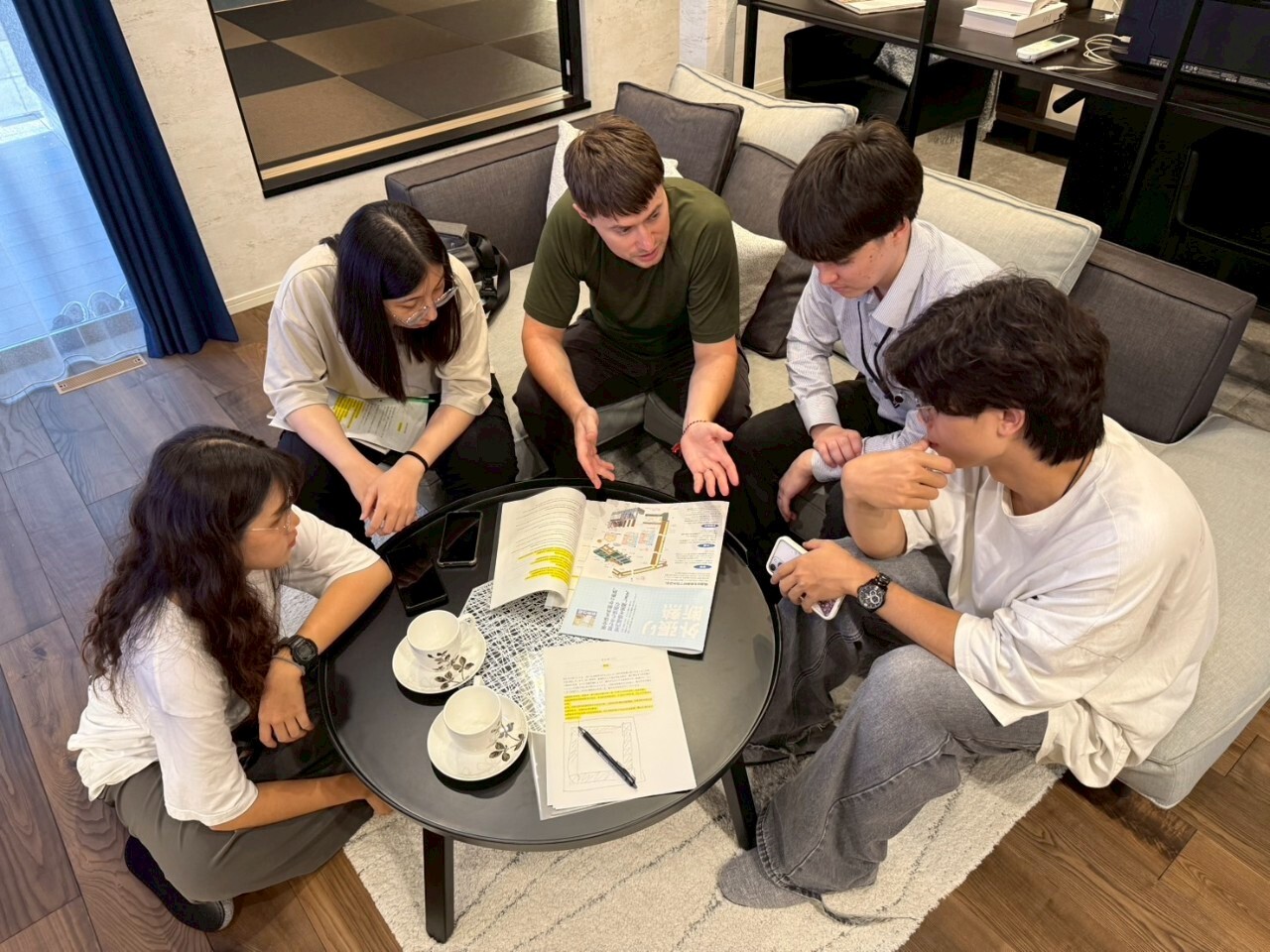
▲郭老師與實習生們參訪大和住建的一處樣品屋。tour a Yamato Juken model home.
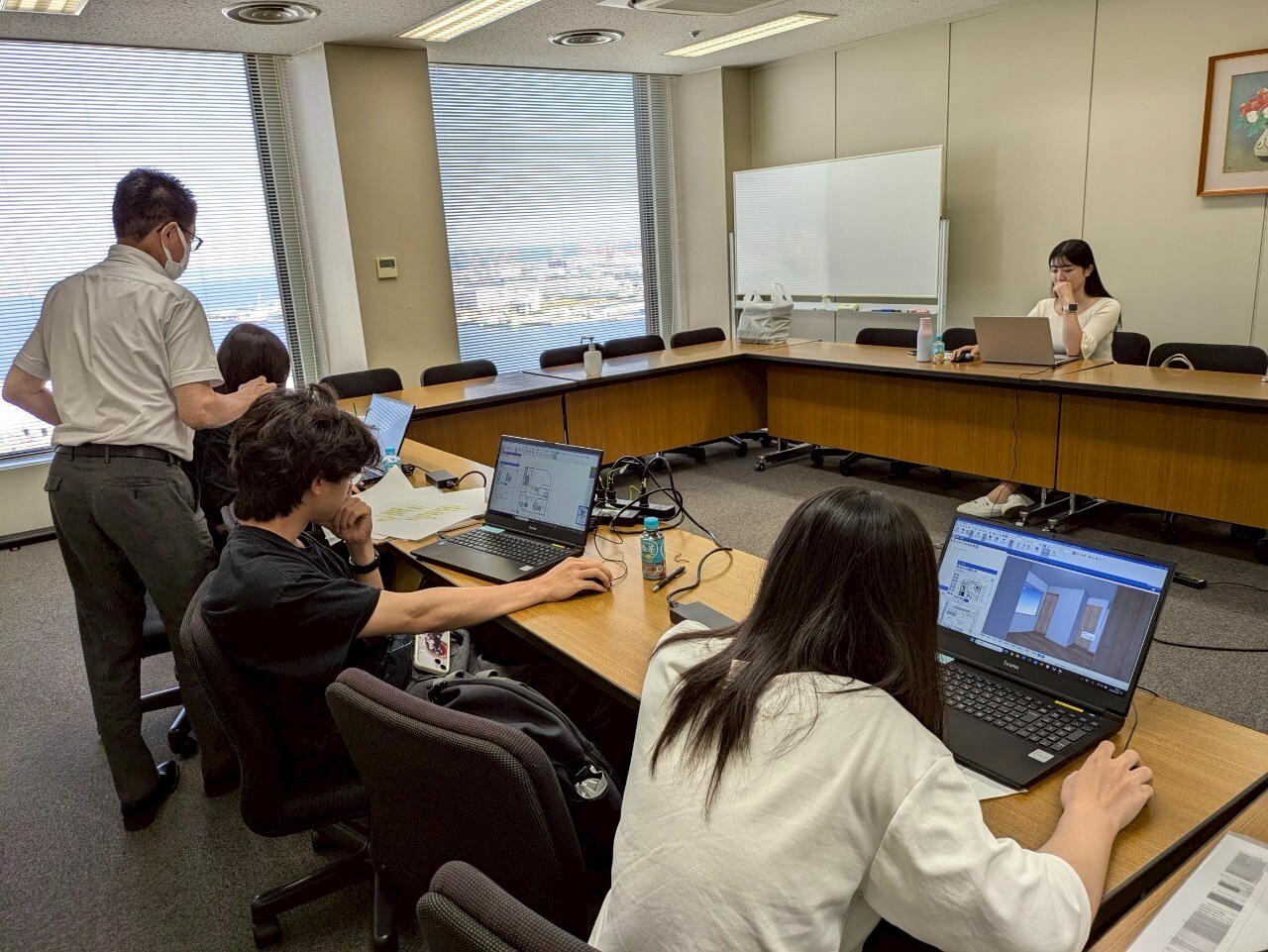
▲實習課程之一的住宅設計軟體實作。Interns receive hands-on training in residential design software.
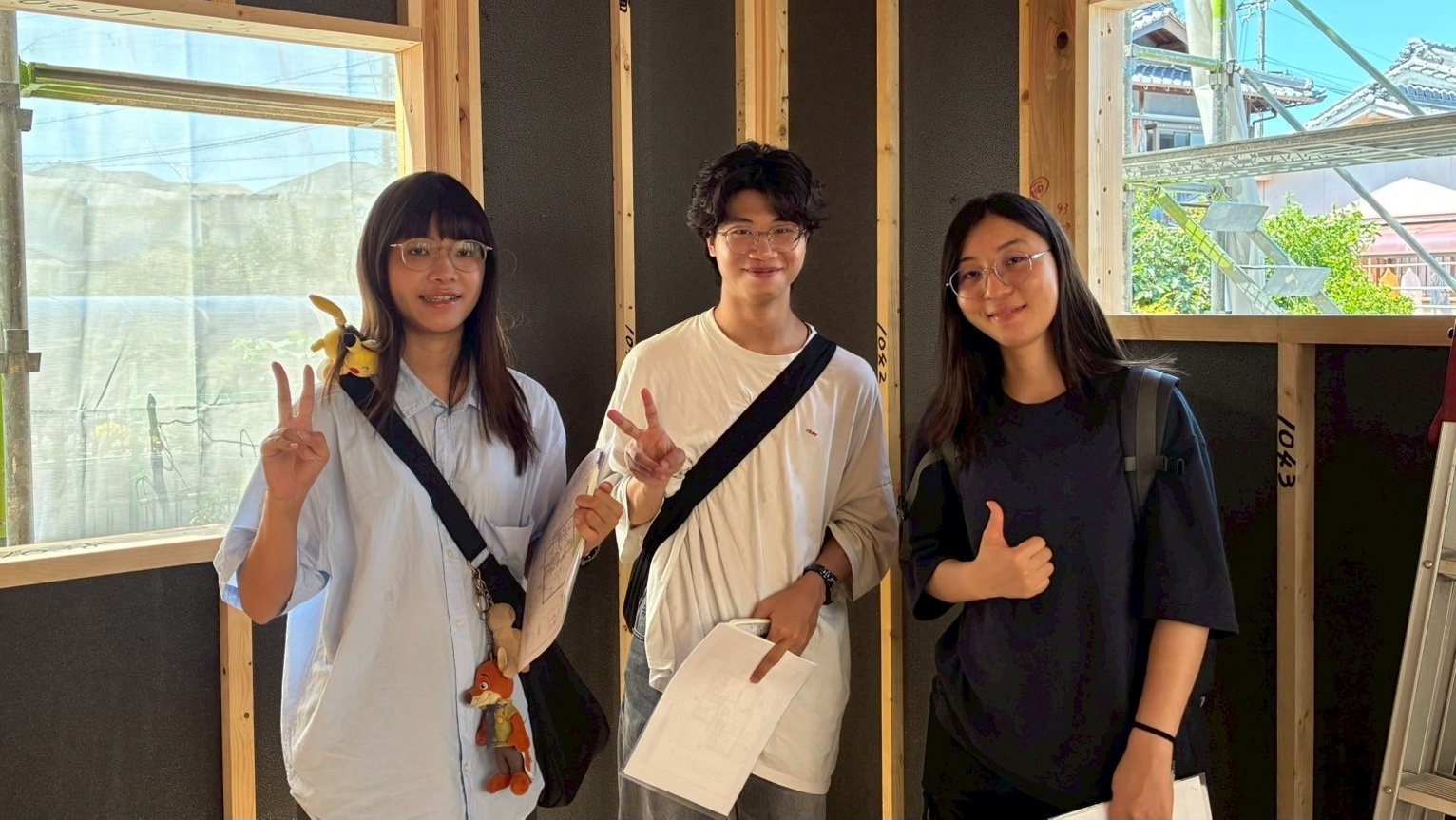
▲實習生攝於一處建築工地。Interns work at a construction site.
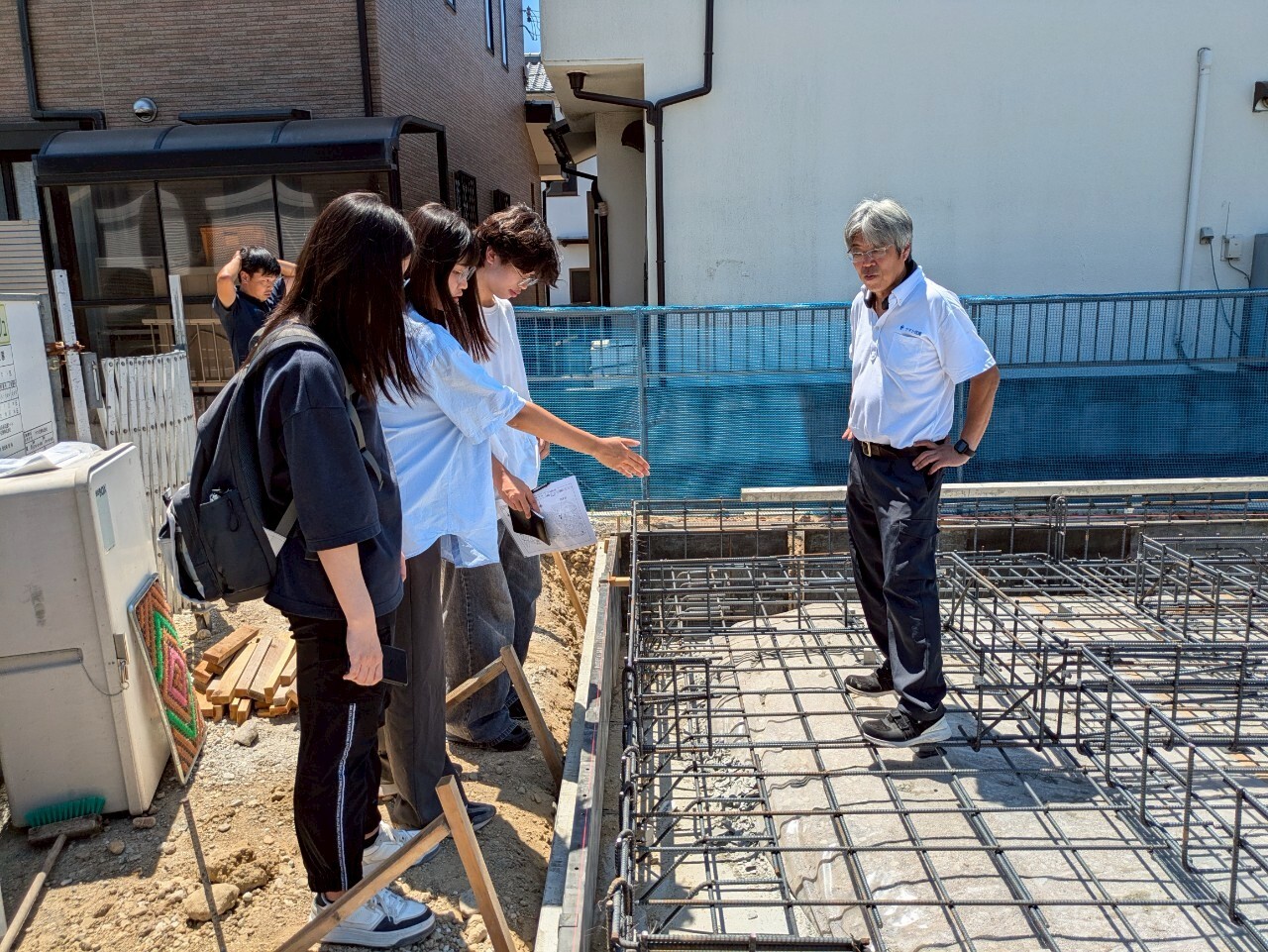
▲實習生參訪建築工地。Interns visit a construction site.
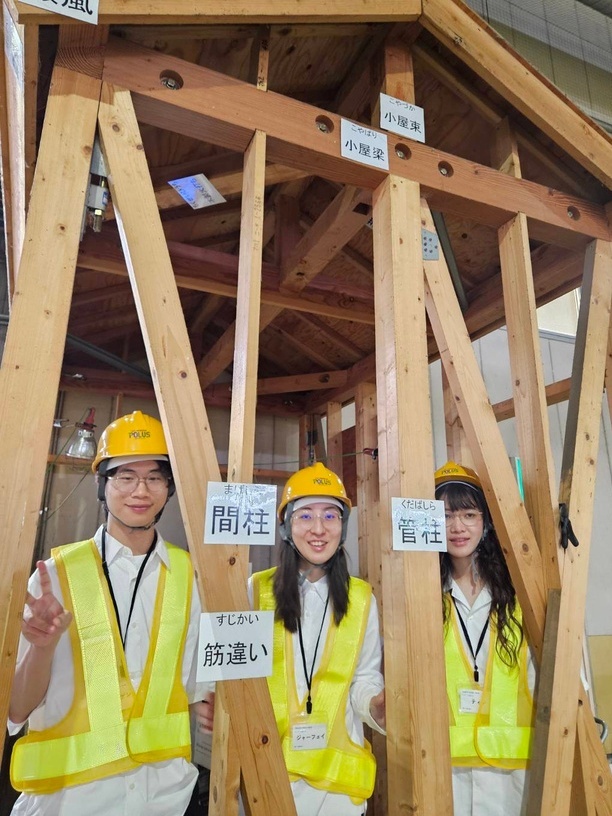
▲實習生攝於滋賀縣的木材加工廠。Interns visit a wood processing plant in Shiga Prefecture.
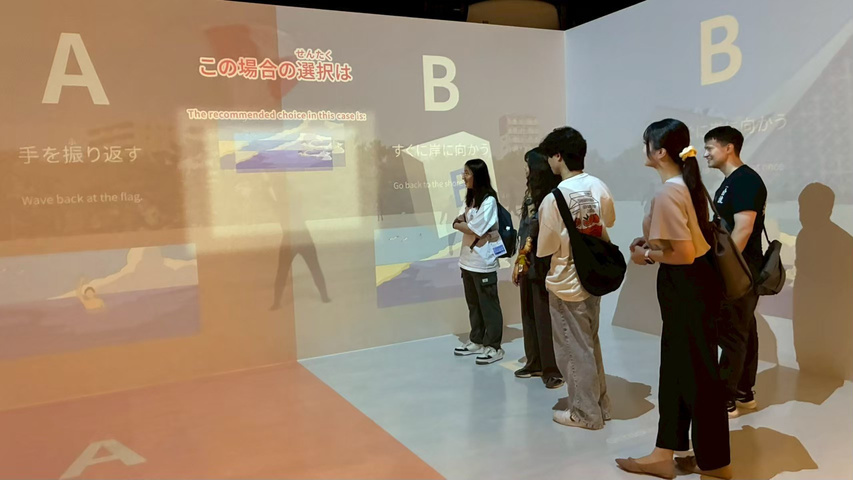
▲實習生參訪「阪神・淡路大震災紀念館」。Interns visit the Great Hanshin-Awaji Earthquake Memorial Museum.
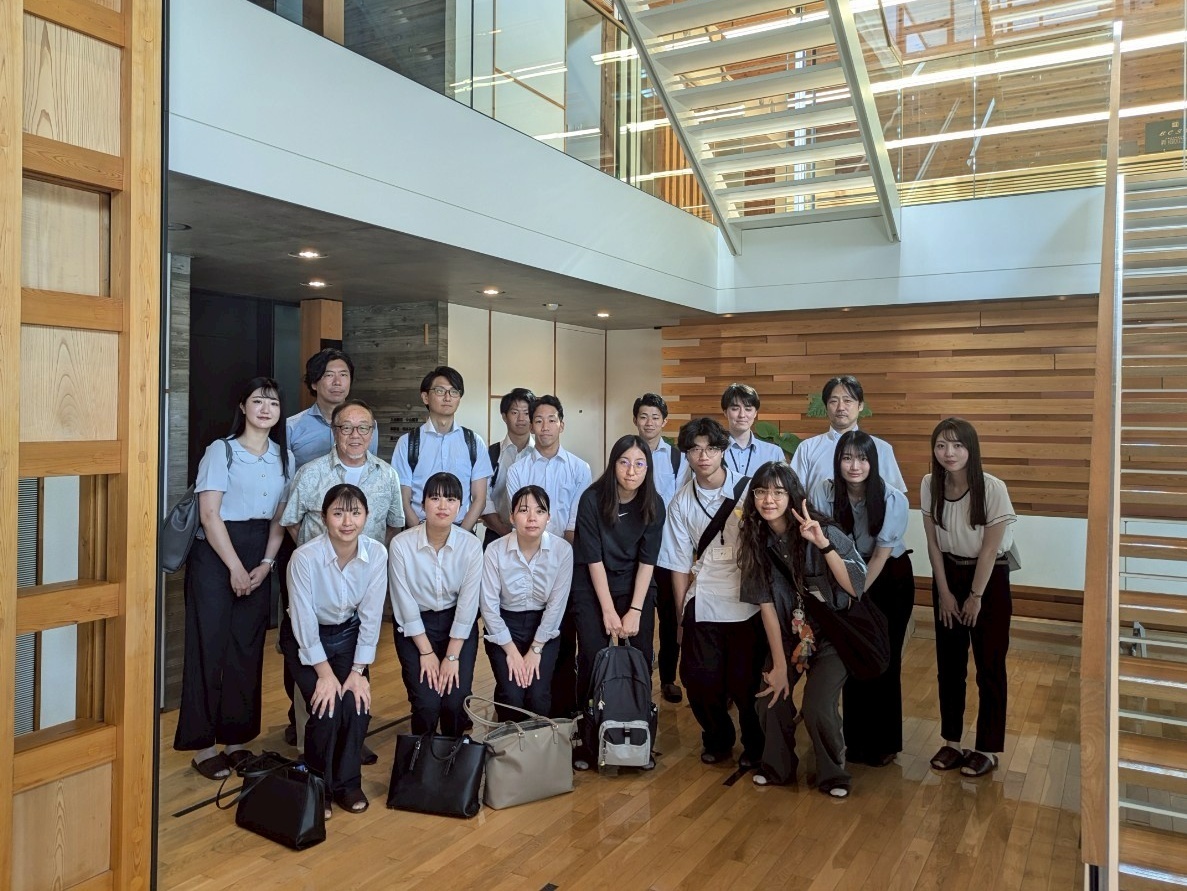
▲實習生拜會大阪木材仲買會館。Interns visit the Osaka Lumber Brokers Cooperative.
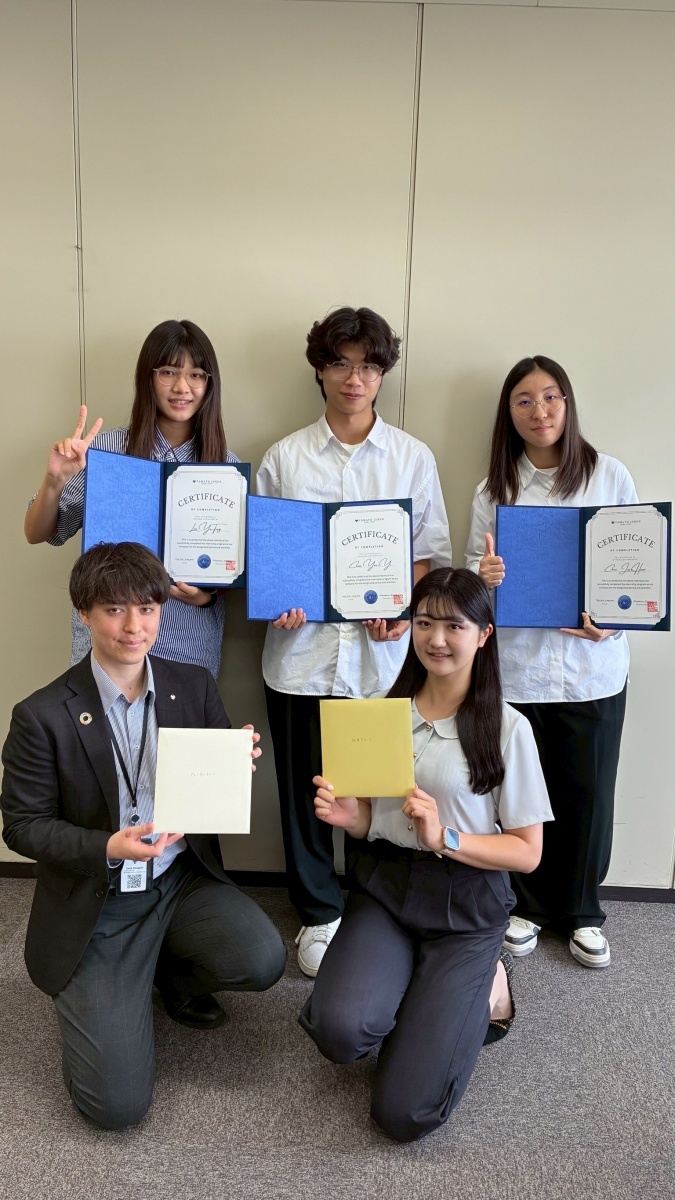
▲實習生於結業式獲頒結業證書。Interns receive certificates at the closing ceremony.
※與本活動相對應之聯合國永續發展指標: